
意味: TDKとは?
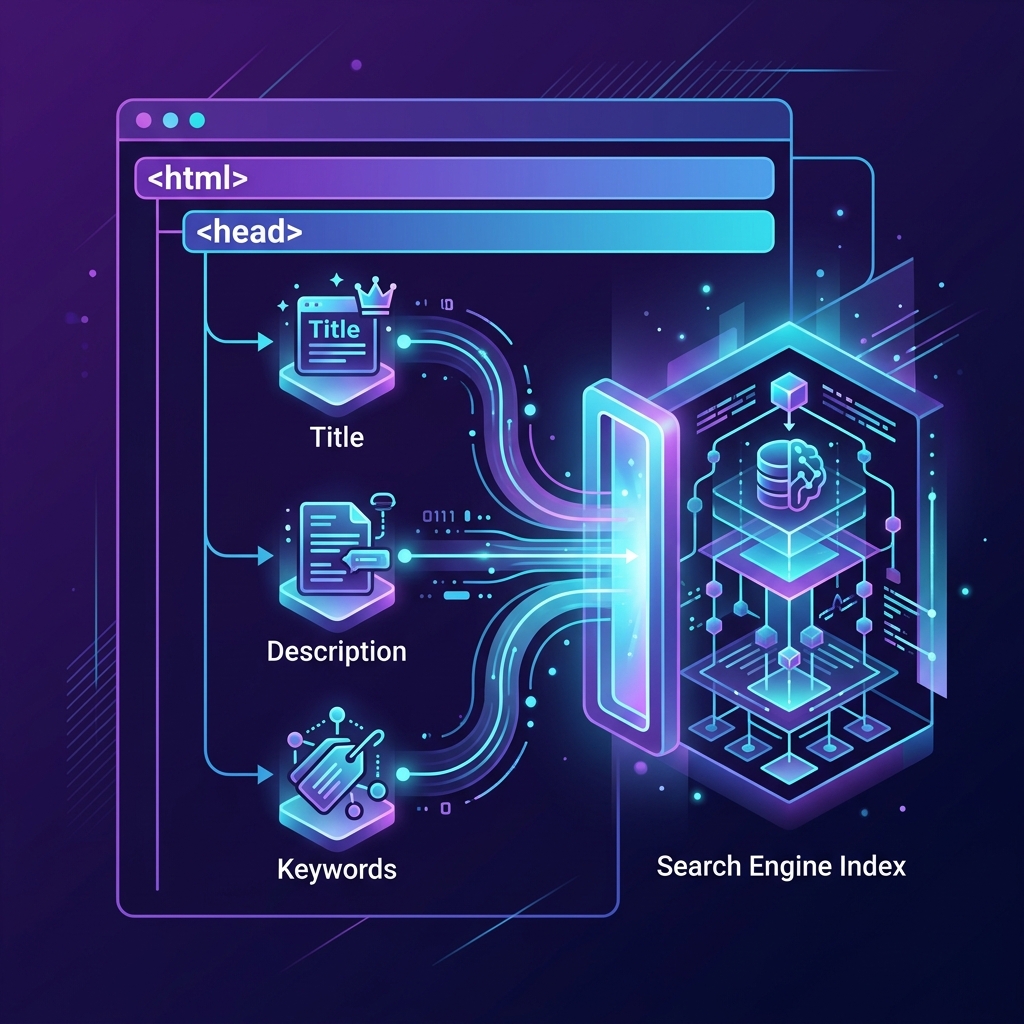
TDK (タイトル, 説明, キーワード) 内に埋め込まれた基本的な HTML メタ タグの 3 つを表します。 “ Webページドキュメントの要素.
歴史的には、ウェブマスターの意図と検索エンジン クローラーのインデックスの間の主要なセマンティック ブリッジとして機能していました。, TDK フレームワークが正確な用語を規定します, テーマの分類, 検索エンジンの結果ページに表示されるユーザー向けコピー (検索結果). 一方、「キーワード」’ タグは、システム上の悪用により、主要なエンジンによるランキングシグナルとして広く非推奨になりました, 「タイトル」’ タグは依然としてページ上で最も重み付けされるランキング要素の 1 つです, そして「メタディスクリプション」’ 有機的なクリックスルー率を決定する重要な心理的触媒として機能します (クリック率).
TDKを単に「タグ」として見るには’ 基本的なアーキテクチャ上のエラーです. 現代のエンタープライズ SEO, タイトルと説明は、NLP モデルの厳格なエンティティ抽出アルゴリズムを同時に満たす必要がある、設計されたデータ ポイントです。 (バートのように) 高度なコピーライティング ヒューリスティックを導入しながら、典型的な SERP ユーザーの 0.5 秒の視覚スキャン パターン内で人間の注意を引きつけます。.
1. 歴史的進化 & 業界の背景
TDKの歴史は、検索エンジン技術の進化全体の縮図です. 1990年代半ばから後半にかけて, 検索アルゴリズムには意味的理解が欠けていました. 完全に一致するブール論理で動作しました。. その結果, の<meta name="keywords"> タグは議論の余地のない SEO の王様でした. ウェブマスターは何百ものカンマ区切りの文字列を挿入します。, 大量の異種トラフィックをキャプチャするための非表示のキーワード (多くの場合、ページのコンテンツとはまったく無関係). この「キーワード詰め込み」の時代’ 無関係なものが溢れるインターネットを生み出した, 低品質の結果.
Google の PageRank アルゴリズムの台頭により、パラダイムは根本的に変化しました, これにより、オフページリンクの公平性が主要な信頼シグナルとして導入されました。, メタキーワードを二次的な役割に格下げする. 9月に 2009, SEOコミュニティが長い間疑問に思っていたことをGoogleが正式に発表: メタキーワードタグはウェブ検索ランキングアルゴリズムによって完全に無視されました.
しかし, タイトルタグ (<title>) とメタディスクリプション (<meta name="description">) 絶大な権力を保持していた. Title タグは、トピックの関連性を伝えるためのページ上で最も強力な単一テキストであり続けます。. メタ ディスクリプションはランキング要素から広告コピー メカニズムに移行しました. 現代では, に続いて 2019 BERT アップデート, Google は、ハードコーディングされた TDK がユーザーの特定の検索意図と完全に一致していないとアルゴリズムが判断した場合、SERP のタイトルと説明を動的に書き換え始めました。, 絶対的な制御をウェブマスターから効果的に奪い取り、ニューラルネットワークの手に委ねます。.
2. コアメカニズム & 原則
TDK 処理の背後にある技術メカニズムには、DOM の解析が含まれます。, 文字列リテラルの抽出, そしてそれらをクエリ意図ベクトルに対してマッピングします. このプロセスは厳格な文字数制限によって管理されています, ピクセル幅, および意味的関連性スコアリング.
2.1 タイトルタグの仕組み (話題の関連性 & エンティティの挿入)
Title タグは Googlebot によって連続した文章として読み取られません; 個別のエンティティと N グラムに解析されます. アルゴリズムはテキストに減衰ウェイトを適用します。, Title タグの絶対的な先頭にある単語を意味します (フロントローディング) 末尾の単語よりも大幅に高い関連性の重みが割り当てられます. さらに, Google はレンダリングされたタイトルのピクセル幅を評価します (通常は約で上限を設定します 600 ピクセルまたはおおよそ 55-60 キャラクター). この制限を超えると切り捨てが行われます, これはユーザー エクスペリエンスを低下させるだけでなく、ページがランク付けしようとしている中心となるエンティティを不明瞭にする場合があります。.
2.2 メタ ディスクリプションのメカニズム (CTR触媒)
Googleは、メタディスクリプションはランキングに直接影響しないと明言していますが、, クリックスルー率の行動シグナルを通じてアルゴリズムに間接的に影響を与えます。 (クリック率). ページが所定の位置にランクインしている場合 4 しかし、不釣り合いな量のクリックを集める非常に説得力のあるメタ ディスクリプションを備えています。 (高い期待 CTR と比較. 実際の CTR デルタ), the algorithm may promote the page to position 2 または 1, deducing that it is a superior result. The mechanism requires the description to be under roughly 960 pixels (155-160 キャラクター) and ideally contain the exact search query, which the search engine will visually highlight in bold text, significantly drawing the user’s eye.
2.3 Algorithmic Rewriting (The Title Tag Override)
In August 2021, Google introduced a massive update to how it generates web page titles in search results. Instead of blindly trusting the<title> tag, Google now utilizes a complex HTML parsing mechanism to dynamically generate titles based on visual prominence. If your Title tag is deemed irrelevant, overly long, または “stuffed,” the algorithm will ignore it and instead pull text from the H1 tag, prominent H2s, or even anchor text pointing to the page from external sites. このメカニズムにより、SERP がクリーンな状態に保たれます。, SEO に内部見出しアーキテクチャとメタ タグを完全に一致させるよう強制する.
3. SEOの戦略的価値 & ディープインパクト
完璧な TDK 最適化の戦略的影響は、どれだけ誇張してもしすぎることはありません。. これはテクニカル SEO において絶対的に最も高い ROI アクティビティです. 過ごすことができます $50,000 権威あるバックリンクの取得とサーバー速度の最適化, ただし、タイトルタグが汎用であり、メタディスクリプションが欠落している場合は、, ユーザーは単にSERP上のリンクをクリックしないだけです. TDK は、検索エンジンと Web サイト間のコンバージョン ファネルの重要な最後のミリメートルを表します.
エンタープライズ規模での TDK の A/B テスト: エンタープライズレベルで (例えば, を備えた電子商取引サイト 5 100万SKU), TDK はプログラムで管理されます. あ 1% ポートフォリオ全体での CTR の増加 5 動的に最適化されたタイトルタグテンプレートにより、数百万ページが増加し、毎月数十万の追加のオーガニックセッションが発生する可能性があります, 現地で数百万ドルの収益に直接換算される. 戦略的 SEO は TDK を静的なテキストとしてではないと見なしています, しかし、連続的な動的変数として, 多変量テスト行列.
4. 実際の実装 & エンジニアリングのベストプラクティス
TDK を正しく実装するには、基本的な CMS プラグインを超えてコードレベルのエンジニアリングを利用してプログラムの完璧性を確保する必要があります。, 特に大規模な JavaScript レンダリング アプリケーションの場合.
4.1 React/Next.js でのプログラムによる生成
最新のシングルページアプリケーションでは (スパ), TDKは動的に注入されます. しかし, このインジェクションがクライアント側で発生した場合, JavaScript の実行バジェットが使い果たされると、検索エンジンがレンダリングに失敗する可能性があります. TDK はサーバーサイド レンダリングを使用して実装する必要があります (SSR).
// Example: Server-Side TDK Injection
import Head from 'next/head';

export default function ProductPage({ productData }) {
  // Construct a mathematically precise Title
  const metaTitle = `${productData.category} ${productData.brand} ${productData.model} - Buy Online | [YOUR_DOMAIN]`;

  // Construct a compelling description
  const metaDesc = `Looking for the best ${productData.category}? Buy the ${productData.brand} ${productData.model} for only $${productData.price}. In stock with free 2-day shipping.`;

  return (
    <>
      <Head>
        <title>{metaTitle}</title>
        <meta name="description" content={metaDesc} />
      </Head>
      <main>
        <h1>{productData.brand} {productData.model}</h1>
      </main>
    </>
  );
}
4.2 TDK 抽出用の Python 監査スクリプト
エンタープライズ SEO では、大規模な URL セットにわたる TDK の継続的な監査が必要です. 手動チェックに頼るのは不可能. 以下は、BeautifulSoup と同時フューチャーを利用して、数千の URL にわたる TDK 実装を積極的に監査する堅牢な Python スクリプトです。, 長さ制限に違反するものにフラグを付ける.
import requests
from bs4 import BeautifulSoup
import concurrent.futures
import csv

URLS_TO_AUDIT = [
    "https://[YOUR_DOMAIN]/page1",
    "https://[YOUR_DOMAIN]/page2",
]

def audit_url(url):
    try:
        response = requests.get(url, timeout=5)
        soup = BeautifulSoup(response.text, 'html.parser')

        title_tag = soup.find('title')
        title = title_tag.text.strip() if title_tag else "MISSING"
        title_len = len(title)

        desc_tag = soup.find('meta', attrs={'name': 'description'})
        description = desc_tag['content'].strip() if desc_tag and 'content' in desc_tag.attrs else "MISSING"
        desc_len = len(description)

        status = "PASS"
        if title == "MISSING" or title_len > 60 or description == "MISSING" or desc_len > 160:
            status = "FAIL"

        return {"URL": url, "Title": title, "Title_Length": title_len,
                "Description": description, "Desc_Length": desc_len, "Status": status}
    except Exception as e:
        return {"URL": url, "Status": f"ERROR: {str(e)}"}

with concurrent.futures.ThreadPoolExecutor(max_workers=20) as executor:
    results = list(executor.map(audit_url, URLS_TO_AUDIT))

print(f"Audit Complete. Processed {len(results)} URLs.")
5. 高度な技術的エッジケース & よくある誤解
極端なエッジケース: の “ブランド名を追加” 重複の問題.
多くの CMS プラットフォームでは、すべての Title タグの末尾にサイト名が自動的に追加されます。. SEO がタイトル入力にサイト名を手動で入力する場合, レンダリングされた HTML が表示されます “キーワードターゲット – サイト名 – サイト名”. Google のタイトル書き換えアルゴリズムは、この反復的な定型文字列を重大なスパムとみなして、タイトル全体を積極的に書き換えます。, 多くの場合、代わりにページから完全に次善の H2 を選択します。. ソースコードを監査して、自動付加が手動入力と競合しないことを確認することが重要です.
誤解: “すべてに固有のメタ ディスクリプションを記述する必要があります 1 私の製品ページは数百万件あります。”
現実: 手動で書く 1 百万もの説明は組織リソースの極度の無駄遣いです. Googleが明示的に許可している, そして期待しています, 大規模な電子商取引データベース向けのメタ ディスクリプションのプログラムによる生成. テンプレートが一意のデータを動的に挿入する限り、, 非常に具体的な製品変数 (例えば, “購入してください [色] [ブランド] [モデル] と [ストレージ] のために [価格].”), 重複コンテンツペナルティを引き起こすことなく品質ガイドラインを完全に満たしています.
6. 生成検索時代の将来のトレンド
生成検索時代に, 従来の TDK の最適化は次のように進化しています。セマンティックエンティティの調整. ユーザーが AI にクエリを実行するとき, AI はリストをスキャンしません 10 青いリンク; 答えを直接合成します. しかし, これらの LLM は依然として Web インデックスから引用データを取得します. 将来, Title タグは厳密なタグとして機能する必要があります。, 明確なエンティティ識別子. クリックベイトの代わりに (“信じられないかもしれない技術的な SEO トリック”), タイトルは機械が理解できるように構成する必要があります (“テクニカル SEO 実装ガイド: サーバーサイドレンダリング”).
さらに, 私たちは新しいものの出現を期待しています, LLM に数学的に正確な情報を提供するために特別に設計された AI 固有のメタ タグ, ページの核となる論文の事前計算済みベクトル埋め込み, 検索エンジンが検索拡張生成中に高価な計算サイクルをバイパスできるようにする (ラグ) プロセス. TDK における厳密なセマンティック構造化の早期採用は、将来を見据えた究極の戦術です.
📚 権威ある参考文献
- https://developers.google.com/search/docs/Appearance/title-link
- https://developers.google.com/search/docs/Appearance/snippet
- https://moz.com/learn/seo/title-tag
- https://リアクトjs.org/docs/dom-elements.html
著者:望里頭,転送する場合は出典を明記してください: https://www.wanglitou.com/tdk-title-description-keywords/